
Case Studies
Is OpenAI Retracing Dropbox's Path? AI Monetization Starts With Who Pays
Pricing a consumer AI app starts with who pays. Ben Thompson says OpenAI is retracing Dropbox's path, building ad tracking and enterprise products at once.
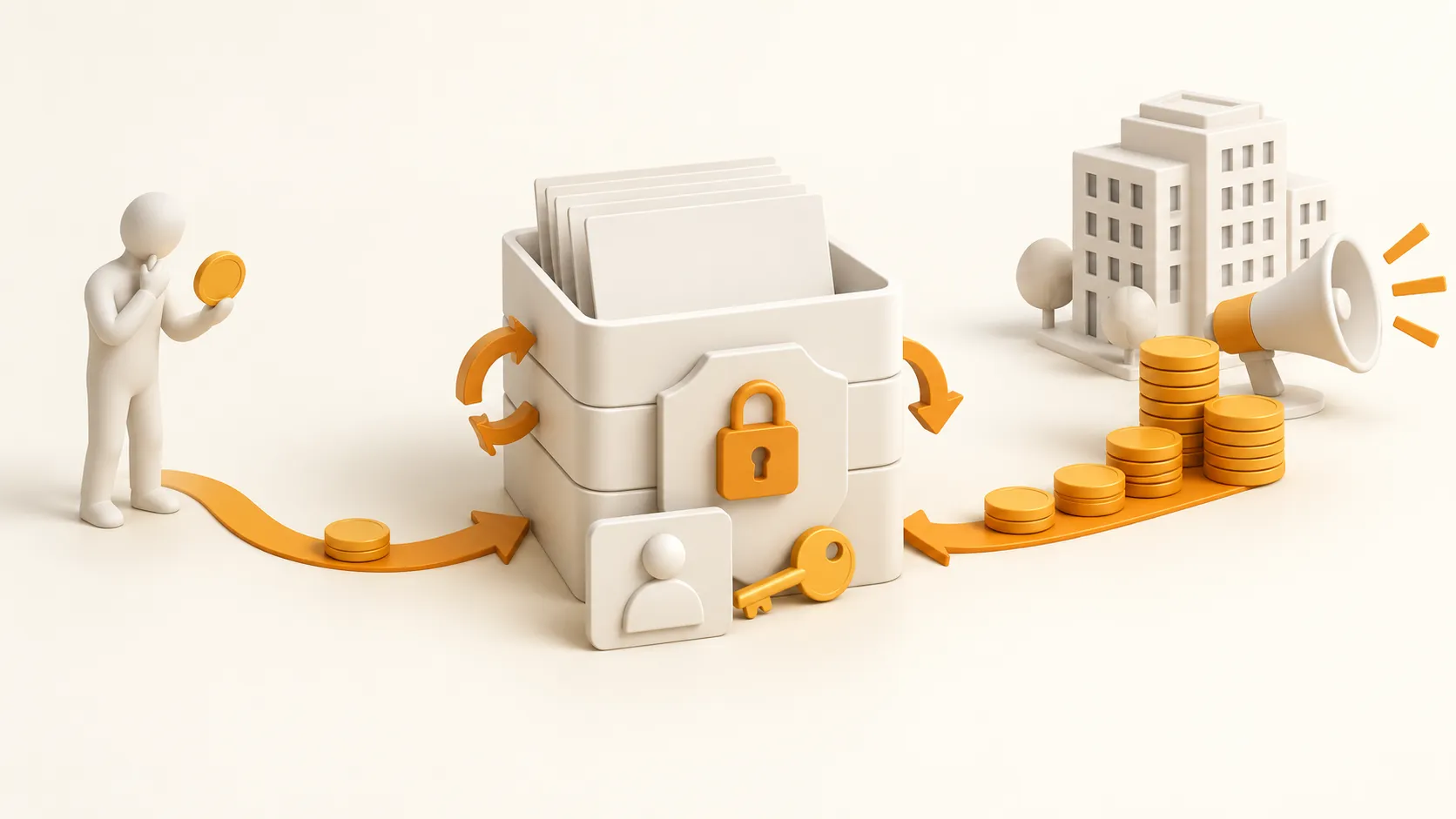
This is note 01 in our podcast reading series. It can be read on its own.
On one podcast episode, Ben Thompson made a simple point about pricing a consumer AI app: start by asking who pays. Subscriptions, ads, and a rebuilt enterprise product each have a different payer. Settle that before anything else in AI monetization.
Steve Jobs once told Dropbox it was “a feature, not a product.” (Ben paraphrased it as “a feature, not a company.”) Dropbox later rebuilt its product around business customers. Ben says Dropbox stalled for about two years in the process. In his view, OpenAI is now on the same path at roughly 100 times the scale. That figure is his estimate.
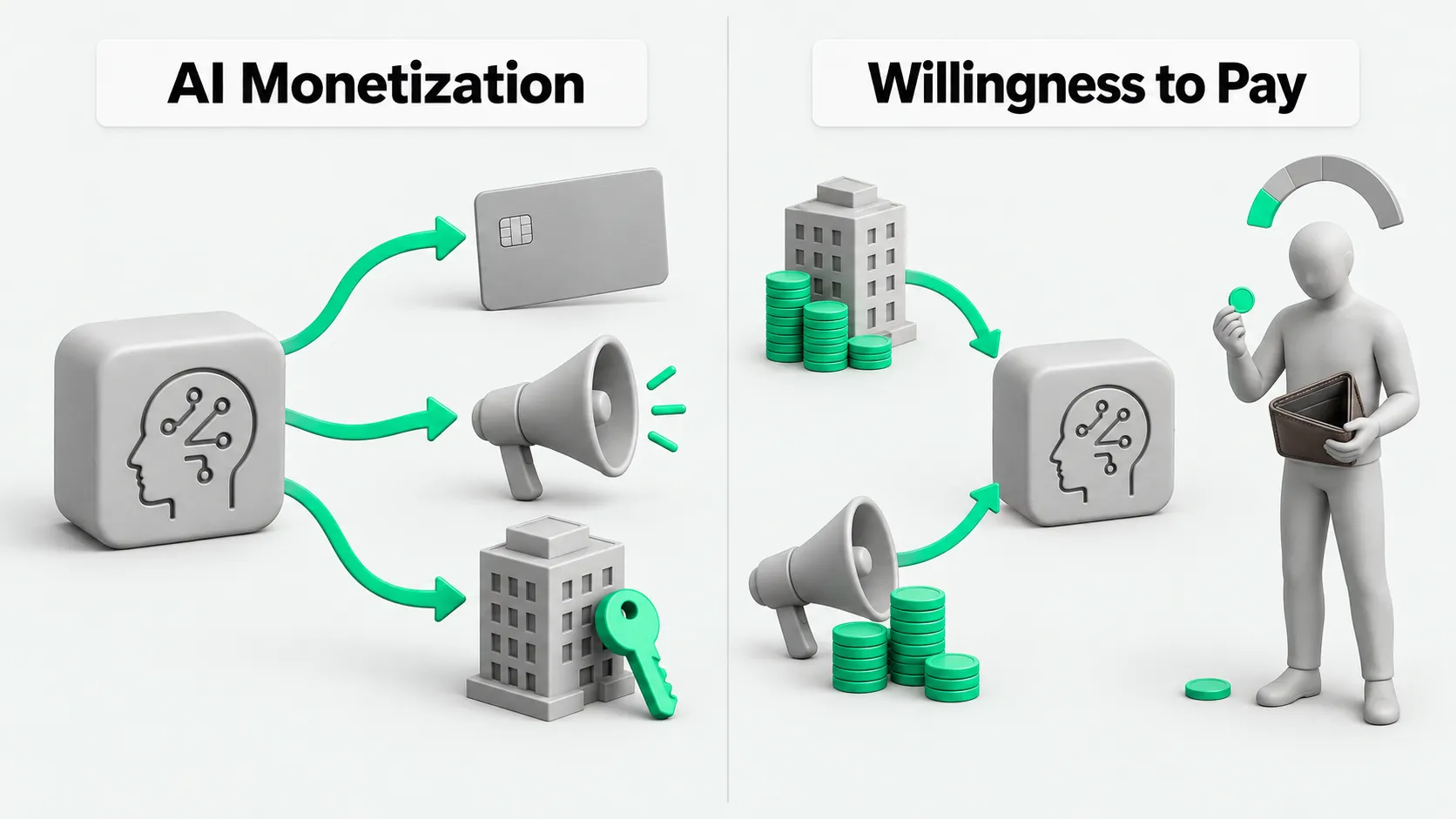
Consumers don’t pay. Companies do.
Ben says Silicon Valley relearns two lessons about once a decade. Consumers don’t want to pay for software. Consumers don’t care about efficiency.
Companies will pay because they pay salaries. Time saved and extra output can be counted as a return. Selling to companies means adding permissions, admin controls, and a designated administrator.
Raising ad prices vs. raising subscription prices
When ad prices go up, advertisers absorb the increase. Users pay nothing extra. When a subscription price goes up, every increase forces users to reconsider. Netflix goes through this each time it raises prices. In Ben’s words, charging is hard and free is easy.
OpenAI is building ads and enterprise at the same time
OpenAI is doing both. ChatGPT began testing ads in the US in February 2026. On the ad side, OpenAI offers a pixel and a Conversions API, so advertisers can send purchase events back. One event type is order_created. On October 5, 2026, OpenAI announced a test of a visual ad format in the US for later that month: when a user generates an image in ChatGPT, a labeled ad appears next to it, kept separate from the generated image. OpenAI is also pushing on enterprise, where Anthropic is stronger with business customers. Ben says he doesn’t understand why OpenAI is pursuing both.
Ben also noted that neither Mark Zuckerberg nor Sam Altman likes to talk up advertising.
FAQ
What should you look at first when pricing a consumer AI app?
Who pays. Subscriptions, ads, and an enterprise product each have a different payer. Selling to companies requires permissions, admin controls, and an administrator. Companies pay salaries, so efficiency gains show up as a return.
How do OpenAI’s ads record a purchase?
Advertisers can use a pixel or the Conversions API to send purchase events back. One event type is order_created. ChatGPT began testing ads in the US in February 2026.
If consumers won’t pay much, can AI products still make money on subscriptions?
An a16z report found that as of April 2026, only about 2% of US households paid for AI services. Subscriptions can still bring in revenue. Each price increase has to be weighed on its own, because users see the new price directly. When ad prices rise, advertisers pay. As Ben puts it, charging is hard and free is easy.
Companies will pay, but AI bills are moving to usage-based pricing. Next in the series: how to build an enterprise budget once AI is billed by usage.