
Enterprise AI
From Idea to Product: How to Design an End-to-End AI Delivery Path
A delivery roadmap that takes an AI idea to a working product, with acceptance criteria at every step. Baize AI designs the path; your team builds the product.
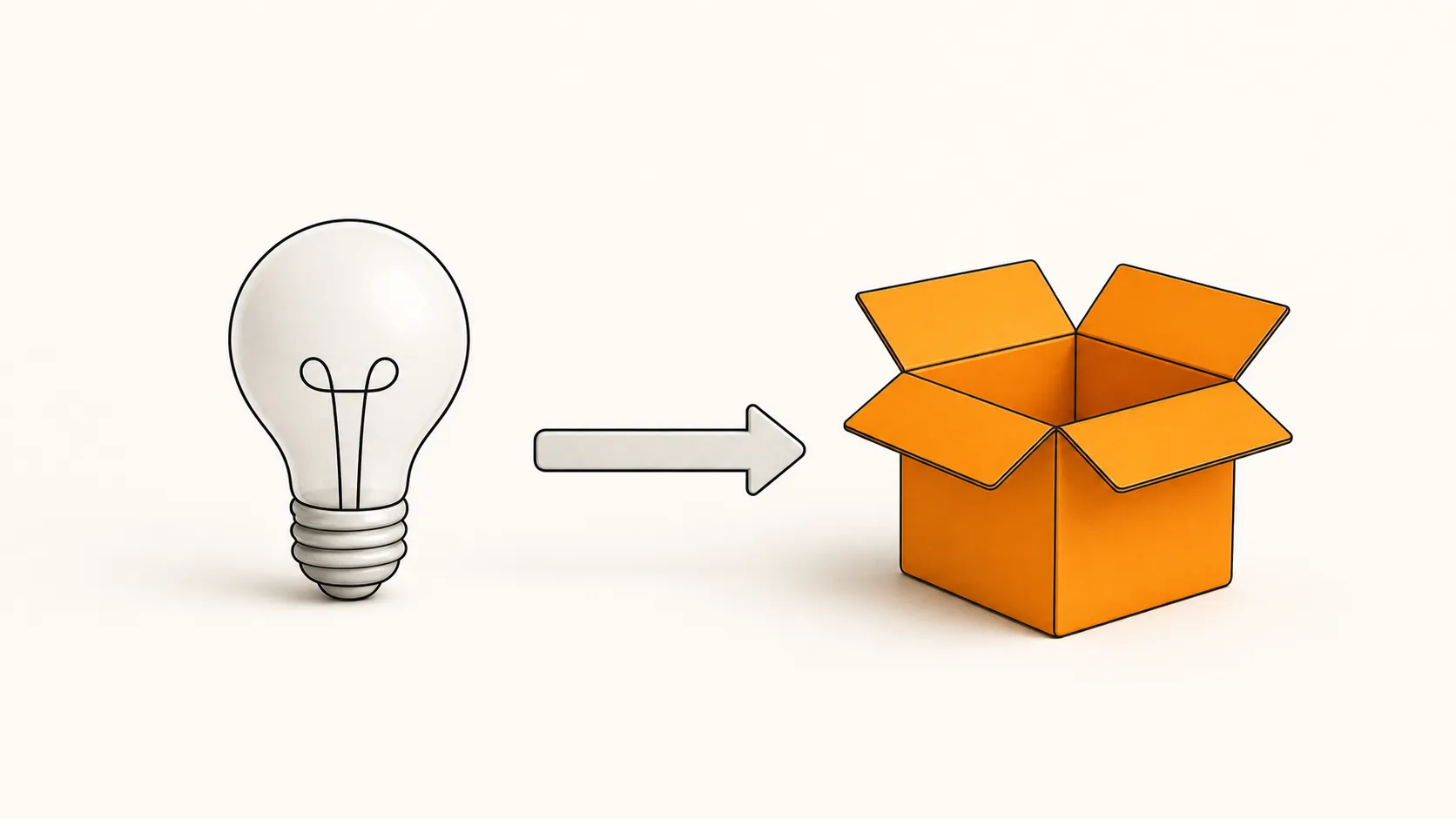
With AI, many teams can build a prototype faster. Getting from that prototype to a product that ships and can be maintained still stalls. The usual cause is a missing delivery path. At kickoff, the team should already have answers to three questions: who owns what at each stage, what output counts as “done,” and what happens next.
End-to-end delivery design defines every step between the idea and the product: requirements analysis, architecture design, key milestones, and acceptance criteria for each stage. With that path in place, an AI tool in the development process has a defined stage to work in and a set of conditions its output must meet. Without it, the AI generates output with no boundary.
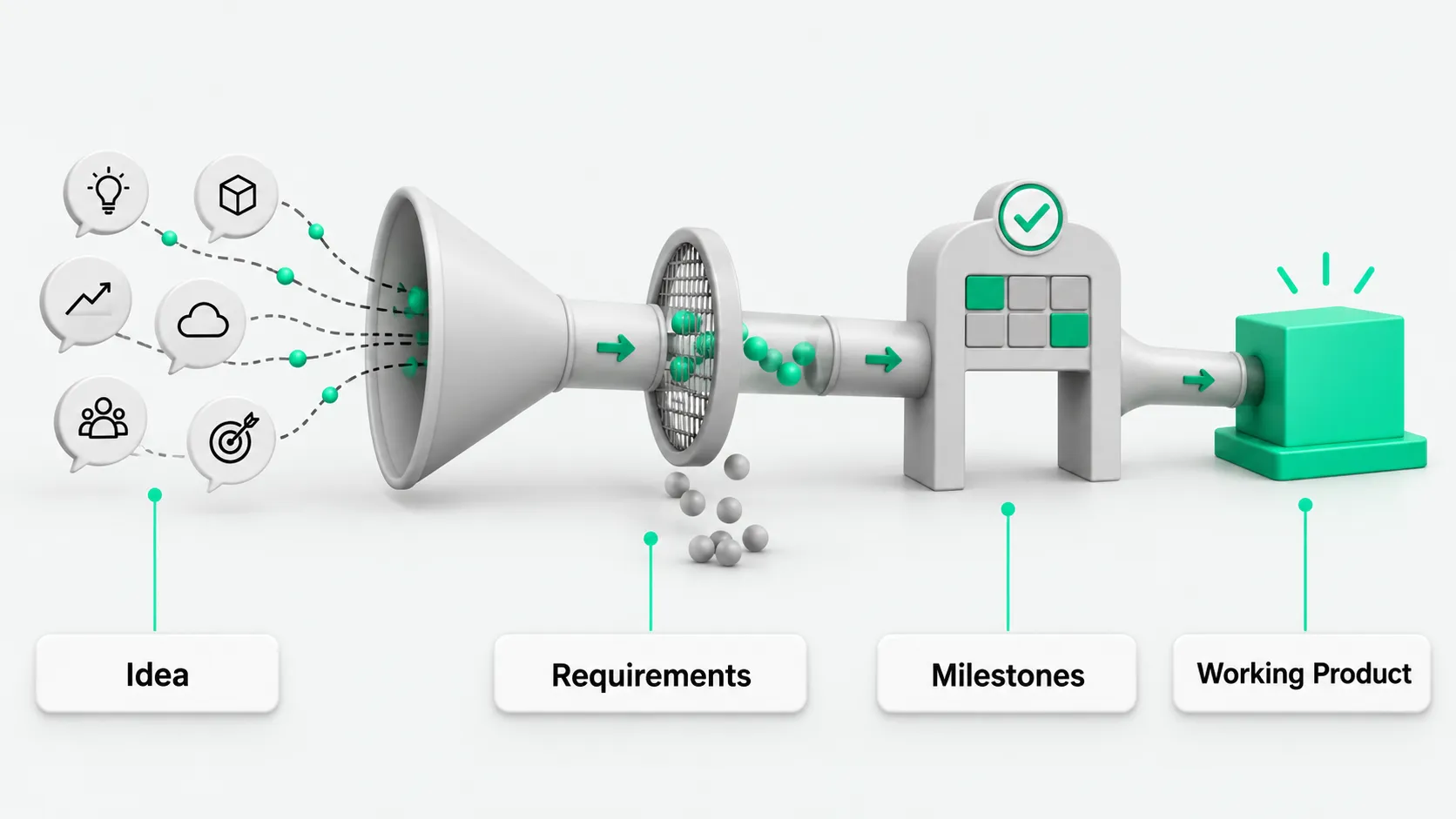
The scope split: Baize AI designs the path, the milestones, the architecture, and the acceptance criteria. The client team does the development. Each side keeps the work it is equipped to do: Baize AI the design, the client team the execution. The path is written so the client team can read it and keep using it after the engagement ends.
A designed path also lowers communication cost. Product, engineering, and business review the same milestones and acceptance criteria. They spend less time re-aligning in meetings, and risks show up earlier, while the plan is still cheap to change.
If your team is about to turn an AI idea into a product, design the delivery path first. Start development after that.
Related: How Should a Small Team Design Its First AI Coding Workflow? and What Is Loop Engineering? Make AI Check Its Work Before It Delivers.
Consulting starts with a scheduled diagnostic session. Unified API endpoint: https://api.fxai.ai