
AI Safety
AI Replies to Social Media Comments: Who Deletes When It Goes Wrong?
When brands use AI to handle social media comments, if an unattended tool posts inappropriate remarks or pastes its prompt into public view, liability stays with the company. Narrowing automation to classification and draft writing, having on-duty operators click send, and giving shift staff direct authority to delete replies and shut off the tool keeps public interactions within bounds.
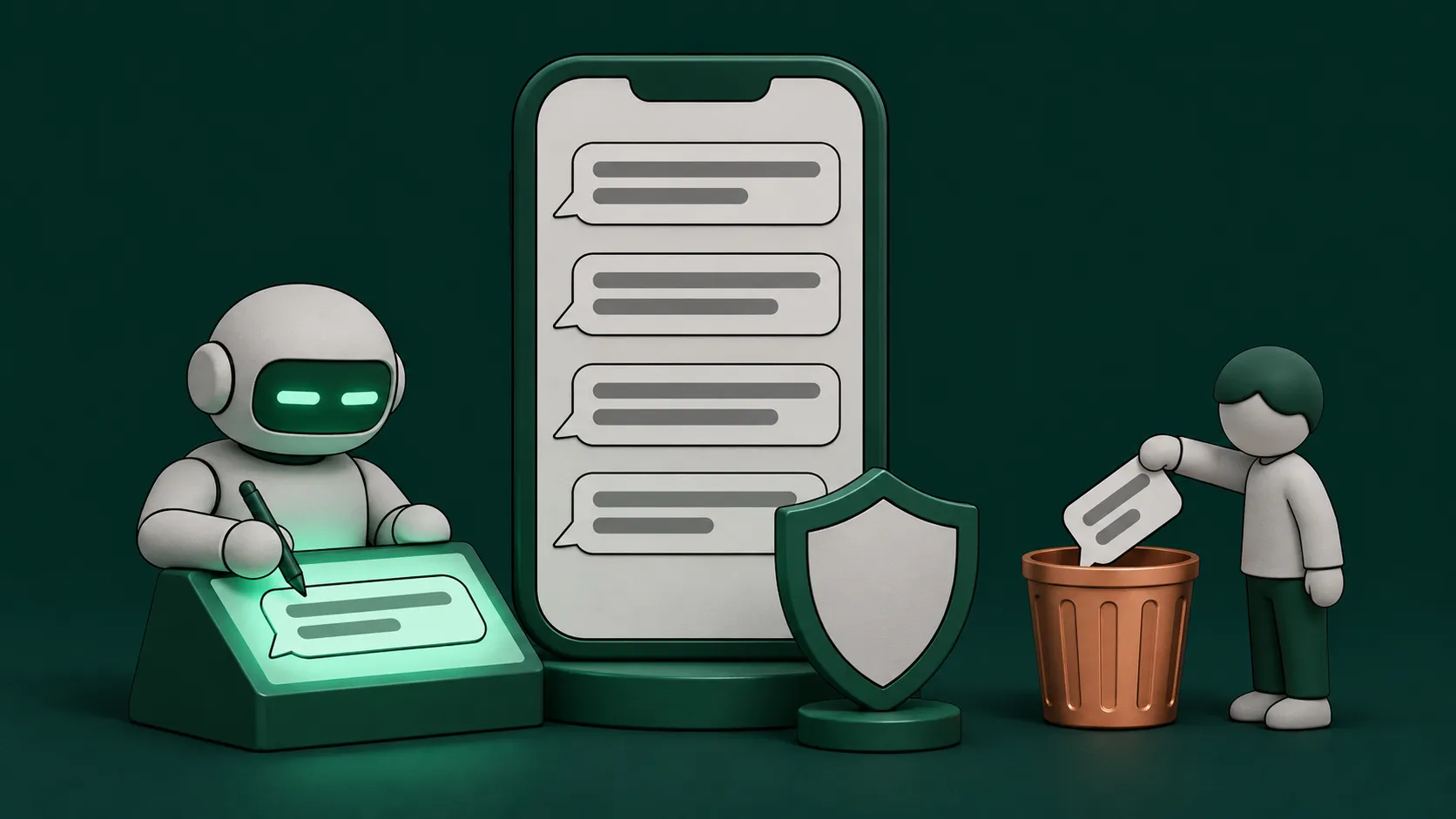
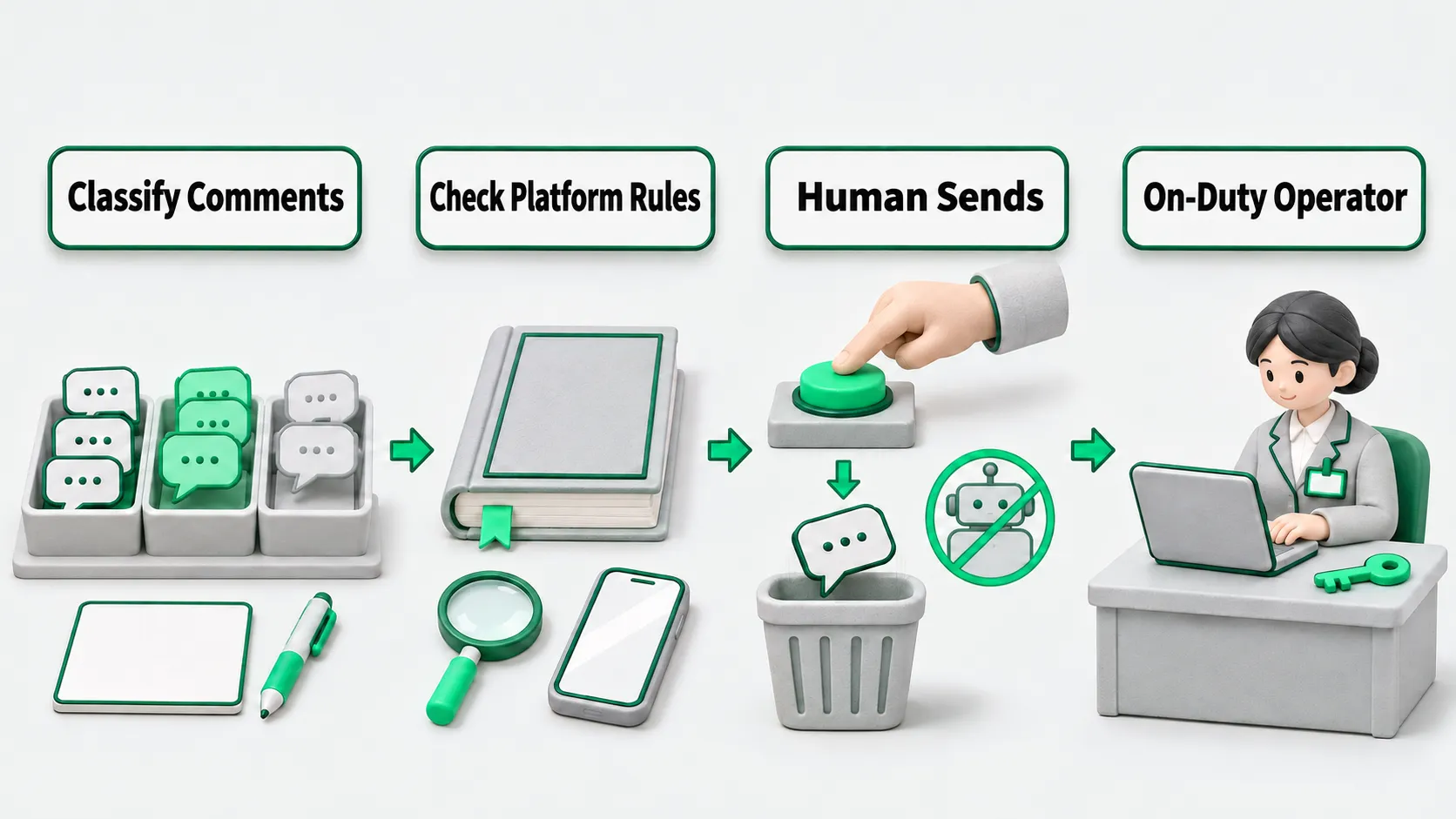
When social media comments are handed to AI, the tool should stop after classifying comments and drafting replies, leaving a person to click send. This August, one brand after another issued public apologies after automated replies went out of control or employees accidentally pasted generated text, and a lawyer quoted in the news reports stated that AI itself does not bear legal liability. In day-to-day comment section management, a company needs to check the governance rules of each platform it operates on, write down the incident response sequence in advance, give on-duty social media operators direct authority to delete replies and shut off automated tools, and have the brand lead and PR team align external statements.
How far AI should go in the comment section
News reports from this August covered public incidents where comment replies went wrong. On the official flagship store account of a cosmetics brand on a short-video platform, replies appeared in the comment section that were seen as disrespectful toward women; the brand subsequently posted an apology explaining that an internal check traced the issue to abnormal output from an AI auto-reply system, acknowledged major gaps in content verification for its smart reply tool, and stated that the brand bore responsibility. Also in August, a user posted screenshots of a hotel chain store’s reply to a negative review that still carried an AI-generated note at the end showing the store had set a “do not apologize” style; customer service for the hotel group responded that a store employee worried about phrasing had used an AI tool to polish the text and accidentally posted the generated output directly to the public platform, adding that the content had since been corrected, staff training strengthened, and external tool usage standards tightened. A lawyer quoted in the reports offered the legal opinion that AI itself does not bear legal liability and that generated replies should be reviewed by a person before publication.
Across these cases, companies managing comment sections can keep the tool in a backend assistive role: let it sort incoming comments into routine inquiries, after-sales complaints, negative sentiment, sensitive topics, and spam traffic, and then draft candidate replies for social media operators from a predefined response library. The draft stays in the backend workbench until the on-duty operator checks the context, strips out any leftover prompt instructions, and clicks send. For who bears liability when an external reply contains a promise or improper statement, see AI Customer Service Compliance: Who Owns What the Bot Promises?.
Check platform rules first
Also this August, a content platform published an AI governance rules notice encouraging creators to proactively label content generated or polished with AI, while stating that the platform will identify and attach labels to unlabeled AI content; the notice also stated that the platform opposes using AI to automatically reply to comments or direct messages or to simulate real-person interactions, and that violating accounts face reduced distribution, muting, or account bans depending on severity.
Before configuring tools on social media accounts, social media operators should pull and check the governance notices of every platform where the brand has a presence. Wherever a platform opposes automated replies to comments and direct messages, do not attach unattended auto-reply scripts to the account, rather than risking traffic throttling or a ban on the brand’s main account just to save writing a few replies. For how brand review works before public content goes out, see AI Video Ads: Producing More vs. Passing Brand Review.
Response sequence after an incident
After its incident, the cosmetics brand mentioned above published its full remediation steps: shutting off all AI auto-replies on the account so that all subsequent comment interactions are reviewed and answered manually by dedicated staff; taking down the video involved and auditing historical videos and comment scripts; holding the content review and system operations teams accountable; and closing risk-control gaps from tool launch and content configuration through output verification. Companies do not need to wait for an incident to improvise a plan; they can write the emergency sequence onto an operating card posted at the operator workstation:
- Delete the reply first, then stop the tool: as soon as a social media operator spots an improper reply during routine checks or receives a user screenshot report, the operator deletes or hides the abnormal reply in the backend and immediately disables the auto-reply plugin or feature linked to the account.
- Preserve records and align external messaging: save the original post, comment screenshots, and backend generation logs, sync immediately with customer service and PR, and have the brand lead decide whether to issue a public apology or statement.
- Audit history and find the root cause: engineering and operations jointly trace which prompt, knowledge-base entry, or API setting caused the abnormal output, and review recent historical comments to confirm no similar improper replies were missed.
Who has authority to delete and who speaks externally
Problems in a comment section often occur at night, on weekends, or during major sales events. If deleting a clearly improper AI reply requires layers of approval, screenshots will keep spreading while staff wait. In comment section management, companies should give on-duty social media operators direct authority to delete individual improper replies and temporarily shut off auto-reply plugins, with a rule that when insults, discrimination, leaked internal prompts, or severe off-topic replies occur, on-duty staff delete the comment and stop the tool first and file the report afterward.
Deleting the comment is not the end of the response. If users have already taken screenshots and spread them across public feeds, deleting without explanation can draw further questions. At that point, customer service and store staff should not argue with users in the comment section on their own; PR and customer service take over communication using the unified messaging set by the brand lead. Meanwhile, the backend retains full sending logs so every public reply shows who reviewed it and who clicked send, supporting post-incident review, training, and accountability.
Social media comments: FAQ
If AI posts a wrong reply, is deleting it enough?
Deleting the wrong comment alone is not enough. Deleting the improper reply and shutting off the automated tool are only the initial stop-loss actions. Once a comment on a public platform is screenshotted and shared by users, the team also has to assess public sentiment impact, and the brand lead decides whether to issue a public apology or explanation; internally, the team must audit historical comment records, determine whether the cause was a system configuration flaw or an employee operating error, and close the gap in review rules.
Can AI reply to negative reviews?
Users posting negative reviews and complaint threads are already upset, and the facts of each order differ. A company can use a tool to help customer service extract the core complaints in a negative review, assemble the order timeline, and draft a calming initial reply, but should not let the tool send replies automatically or put adversarial instructions such as “do not apologize” into the prompt. After the draft is generated, a person must verify the facts and adjust the tone before sending.
When AI assists with comment section management, does the reply need an AI label?
Follow the rules of the platform where the account operates. For example, the governance rules published this August by a content platform encourage proactive labeling of AI-generated or AI-polished content and oppose using AI to automatically reply to comments, direct messages, or simulate real-person interaction. In comment section management, companies should not turn on unattended auto-replies; for content drafted with tool assistance and reviewed and edited by a person before sending, follow the labeling rules of the respective platform and the brand’s own policies.